Improving diabetes outcomes in community health centers
Learning collaborative brings together 9 Federally Qualified Health Centers to boost patient-centered diabetes care
March 16, 2026
Improving diabetes outcomes in community health centers
Learning collaborative brings together 9 Federally Qualified Health Centers to boost patient-centered diabetes care
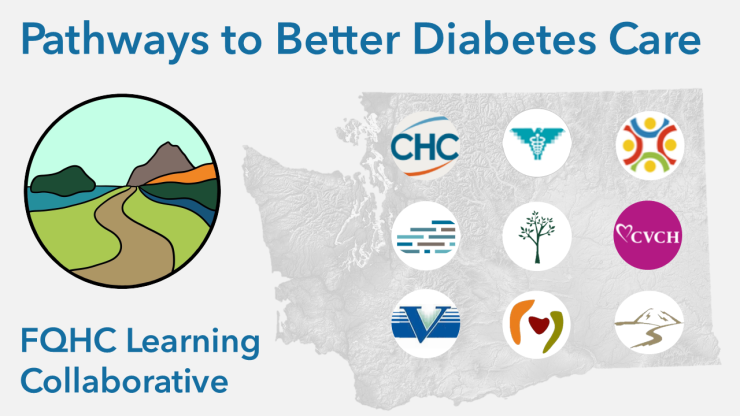
The ACT Center’s commitment to working with community health centers nationwide to improve care for chronic conditions like diabetes dates back to some of its earliest projects as the MacColl Center for Health Care Innovation in the late 1990s. Today in our home state, the ACT Center is fortunate to continue this commitment by partnering with the Washington Association for Community Health (WACH) — the primary care association representing all 28 Federally Qualified Health Centers (FQHCs) in Washington, which provide care for nearly 1.3 million patients statewide, 9% of whom are living with diabetes. Most recently, this partnership took the form of Pathways to Better Diabetes Care: a learning collaborative focused on engaging community health centers in a 15-month effort to improve diabetes care and outcomes.
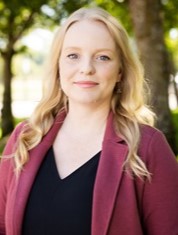
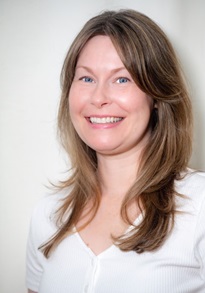
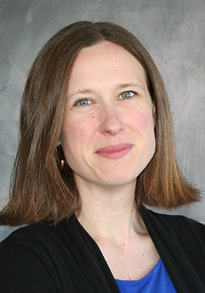
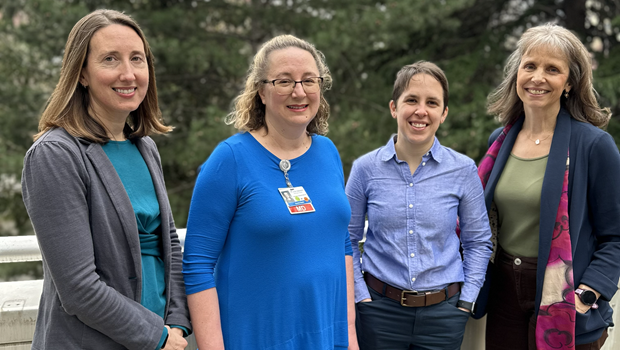
Launched in January, the collaborative has brought together 9 FQHCs from across Washington to share best practices, learn from experts, and test new evidence-based approaches to diabetes care. ACT Center Co-director Claire Allen is leading the project alongside WACH Director of Learning and Innovation Hannah Stanfield and her colleague Brianne Probasco, Learning and Innovation Senior Coordinator. In this Q&A, Claire, Hannah, and Brianne talk about how the collaborative came together, how the participating FQHCs are engaging, and what they hope to learn and achieve together.
What inspired you to launch a learning collaborative focused on diabetes?
Hannah Stanfield (HS): Claire and I have worked together for years, and we like to keep in touch. She reached out to us in spring 2025 to chat about what Washington’s community health centers needed in the current environment and how the ACT Center might be able to help. Together, we went through a rigorous process to identify areas where our members were facing challenges.
First, we took a close look at the data we had at WACH and considered it in the context of the current health care environment and the various challenges that health care organizations are facing. We found diabetes to be an area that folks really wanted to dive into. Then we had advisory calls with FQHCs to find out if working together to improve diabetes care would fill an important need. Those conversations confirmed that diabetes was a high priority, and we heard lots of motivation to participate.
What are the collaborative’s key activities right now?
Brianne Probasco (BP): We began by recruiting health centers last fall. We shared information about the learning collaborative with all 28 of our member health centers through our newsletters, learning networks, and our board of directors, made up of the CEOs of our member health centers. Right away, we had 9 health centers apply. We were pleasantly surprised by their quick response because we know our health centers are working very hard and juggling lots of competing priorities. Their enthusiastic interest in the learning collaborative further confirmed that we had hit on a topic that they really want to learn more about.
Claire Allen (CA): Brianne did an amazing job managing all the relationships with the health centers and their different needs as we recruited in the fall. We then held orientation meetings in January and started monthly coaching calls in February. We started with a current-state assessment based on each domain in the Chronic Care Model, and then went through the results with them to select their first improvement projects. We’ll have our virtual kickoff meeting in March, which will focus on the teams meeting each other and learning about their respective projects. And I’m already looking forward to our first in-person meeting, which will be in May.
What are your short- and long-term goals for the collaborative?
HS: Short term, I think one of the most valuable pieces of any learning collaborative is the personal connections our health centers get. Thanks to the ACT Center, this collaborative is especially well-designed and well-resourced, which gives participants time to focus and explore an important patient outcome with other health center staff in similar settings across the state. FQHCs are distinct from other health systems in the populations they serve and the services they provide. So establishing that initial connection and inspiring them to network through the collaborative is an important goal.
Thinking longer term, diabetes is a condition that can profoundly affect patients' health and their lives more broadly. It also has huge impacts on health center capacity and resources. So we’re really hoping to develop a deeper understanding of what excellent diabetes care looks like in these settings and to find practical ways to work toward improving diabetes outcomes. To have that learning carried into the future and to keep applying it across the network is an important long-term goal for me.
BP: We also have longer-term goals related to better understanding the benefits of being in a learning collaborative. Several health centers have said how grateful they are for this opportunity, especially with all that is going on in the broader health care landscape right now. Our health centers are having to adapt to lots of changes, and it's a stressful time for them. Being able to join the learning collaborative seemed to lift their spirits, and many said it was a bright spot in their work.
CA: The health centers’ initial enthusiasm prompted us to explore whether there was any research evidence around that question: Do learning collaboratives actually improve burnout among care team members? We found very little in the literature, so that became an important meta research question for us. We asked all the participants to fill out a survey about burnout before the collaborative launched and we’ll repeat the survey with them after it’s over. That will give us valuable data on whether working with other health centers on quality improvement projects is actually helpful for people's morale.
What other key insights have you had since launching the collaborative?
BP: One of the great things about working with the ACT Center is their focus on tailoring the collaborative to meet health centers’ specific needs around patient-centered diabetes care. One of the ways we've been able to do that is through co-design. We have a physician and a pharmacist from the participating health centers attend meetings with our planning team. This gives us a chance to get their on-the-ground insights on how the collaborative can be as relevant and helpful to health centers as possible. I really appreciate how Claire has been a leader in designing a collaborative that’s so health center-focused.
CA: The appreciation is mutual! The fact that recruitment was easy is a testament to Brianne and the association and the fact that the FQHCs trust you all. Your relationships with them are strong and healthy, and that has really come through in our early work and broken down barriers for me and our other health center coaches.
HS: Circling back to the collaborative’s focus on diabetes, I think we have truly hit on an area where FQHCs feel they can make a difference. They are all enthusiastic about improving a chronic condition that impacts so many of their patients. Our health centers are very patient-centered and just want to do the best they can to engage with and care for the people they serve.
Hannah, Brianne, and Claire are grateful to everyone from the 9 FQHCs that are participating in the collaborative and to the ACT Center coaches who are working with them.